
Fence repair guide
How to Check a Wood Fence for Rot Before Winter
A practical fall inspection guide for finding moisture-related decay in wood fence posts, rails, boards, and gate connections before winter weather arrives.
Published October 22, 2026 · By Fence Repair Now
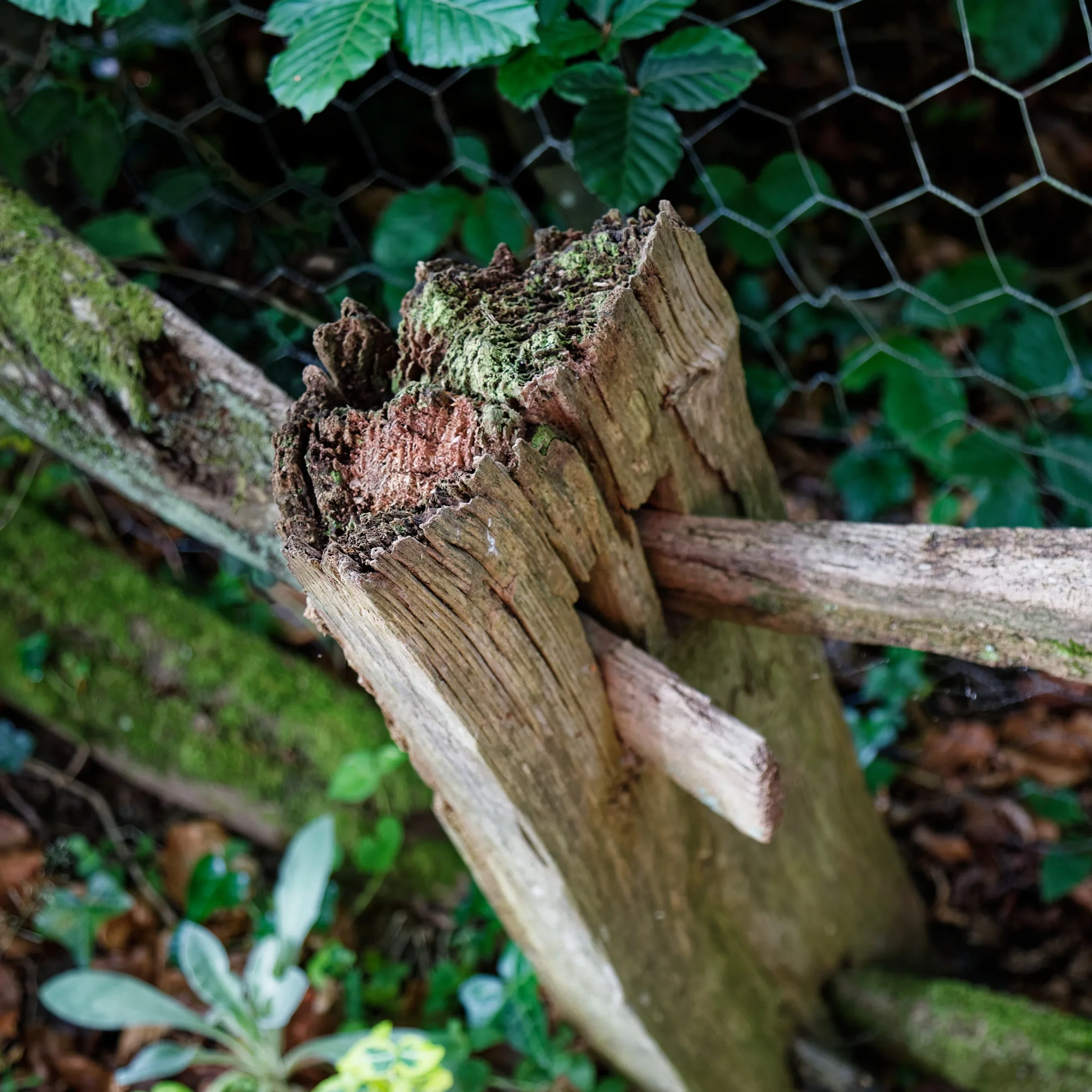
Wood fence rot is easiest to address while the damage is still limited to a post, rail, or small group of boards. A fall inspection can help you find soft wood, failing connections, and moisture traps before winter weather adds wind, snow, and repeated wetting to an already weakened section.
You do not need to dismantle the fence or dig around its posts. Start with a careful visual check, keep pressure off any unstable section, and document what you find. The goal is to locate where deterioration begins and decide whether the problem fits a focused repair.
Why moisture matters more than age
A newer fence can develop localized decay where water is trapped, while an older fence may remain serviceable where it drains and dries well. The U.S. Forest Service's Wood Handbook chapter on biodeterioration explains that wood-decay fungi depend on moisture, suitable temperatures, and oxygen. It also notes that surface mold or staining does not always mean the wood has lost structural strength, while visible decay usually indicates a meaningful loss of strength.
That distinction matters during an inspection. Gray weathering, peeling stain, or dark surface marks deserve attention, but they are not enough by themselves to diagnose rot. Look for changes in both appearance and physical condition.
Begin with a full-fence walkaround
Inspect both sides of the fence where you can do so safely and with permission. Stand back first and look along the top line. Note any dip, lean, wave, or section that no longer lines up with the rest of the run.
Then walk the fence slowly and photograph:
- Every post at ground level
- Rail ends where they meet posts
- The bottom edges of boards and panels
- Areas hidden by leaves, vines, mulch, or stored items
- Gate hinges, latch posts, and lower frame corners
- Places where sprinklers, downspouts, or runoff repeatedly wet the fence
Do not shake a visibly weak section. If a post moves easily, a rail is hanging loose, or sharp fasteners are exposed, keep people and pets away until it can be assessed.
Check posts at the soil line
The transition between air and soil is one of the first places to inspect because it combines structural load with repeated moisture exposure. Clear loose leaves and surface debris by hand, but do not excavate around the footing. Look for:
- Wood fibers that appear shredded, crumbly, or hollow
- Deep splits that hold water
- A dark, softened band near grade
- Gaps between the post and its concrete footing
- A post that leans while the footing stays in place
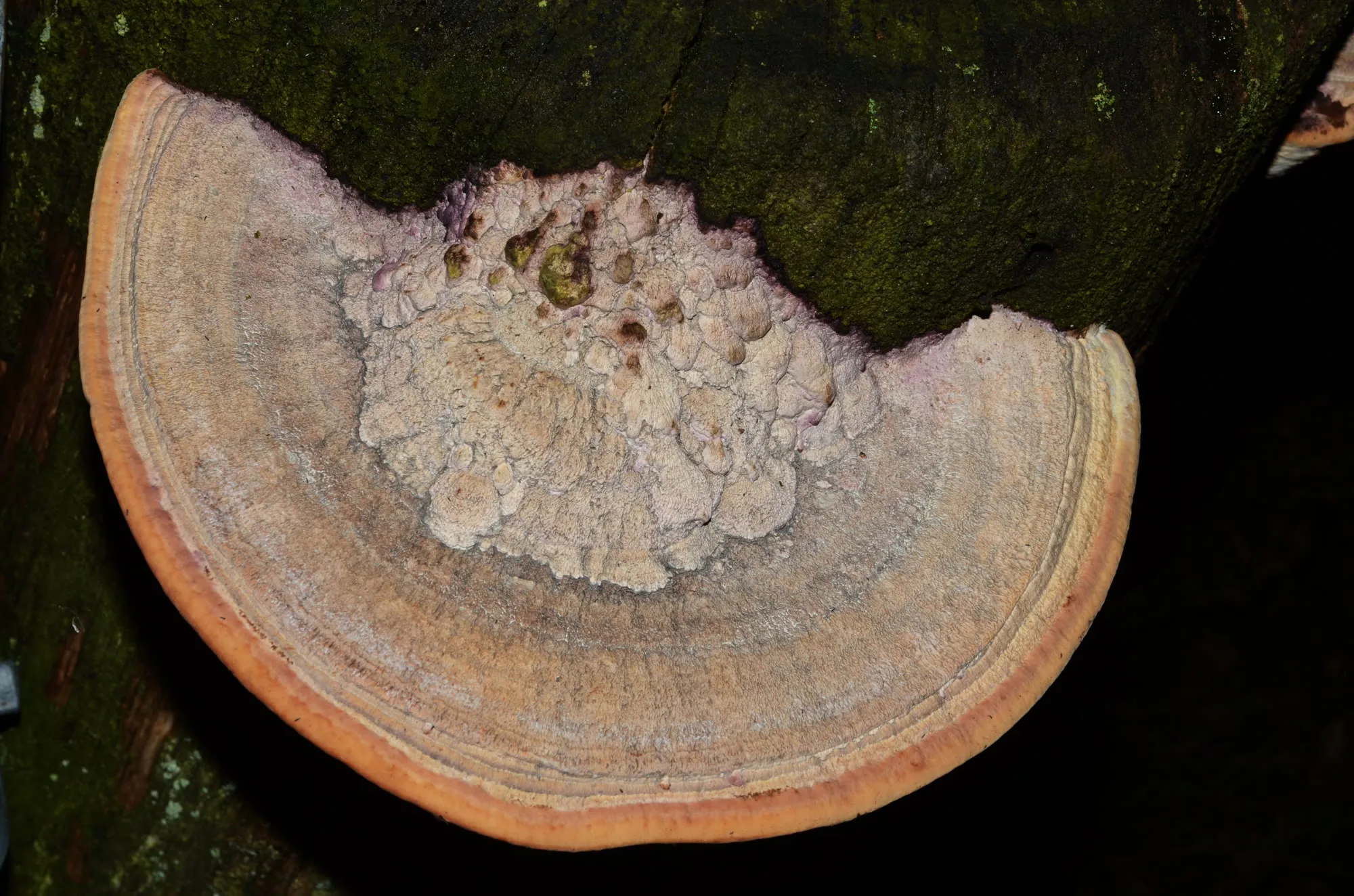
- Mushroom-like or bracket-shaped fungal growth
A painted or stained post can look intact above grade while deterioration is developing lower down. If the post supports a gate or several fence sections, even limited movement can affect a larger part of the fence. Fence post repair is the relevant starting point when movement or decay centers on the post or footing.
Inspect rails, boards, and panel connections
Posts are not the only components that hold a fence together. Rails transfer loads between posts, and their ends can trap moisture where they sit in pockets or meet fasteners. Check for a rail end that has softened, split, pulled away, or lost enough material that a screw or bracket no longer has sound wood to hold.
On boards and pickets, pay close attention to lower ends, horizontal trim pieces, and overlapping joints. Common warning signs include:
- Wood that crushes or flakes with very light contact
- Brown, cube-like cracking across the grain
- Pale or bleached areas that feel spongy
- Fasteners pulling through weakened wood
- Boards separating at a rail even though the fastener remains
- Repeated wetting from soil, vegetation, or poor drainage
The Forest Service describes brown-rotted wood as darker and prone to cube-like checking and collapse. White-rotted wood may look bleached and feel spongy. These are stronger warning signs than ordinary silver-gray weathering.
If the posts remain stable and deterioration is limited to rails or a small group of boards, wood fence repair or fence panel repair may be more appropriate than replacing the complete run.
Treat fungal growth as a reason for closer inspection
A mushroom, bracket, crust, or strand-like growth on wood can be a visible part of a decay fungus. The Forest Service notes that fruiting bodies can appear as mushrooms, brackets, or crusts after decay develops. Growth on a fence does not reveal the full depth of damage, but it is a good reason to inspect the surrounding post, rail, and connections rather than scraping it away and assuming the problem is solved.
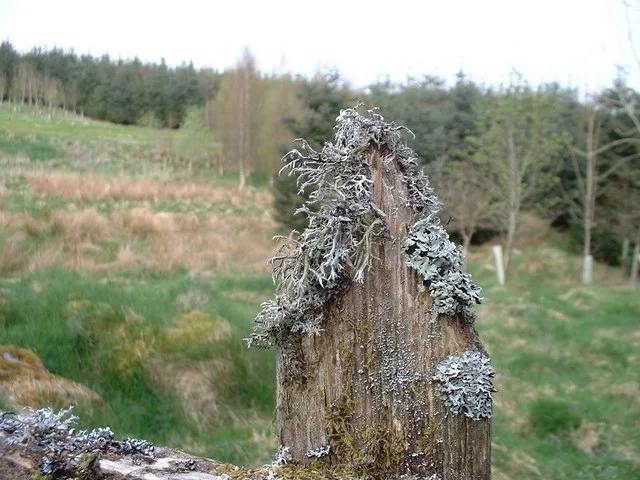
Lichen and surface algae can grow on damp exterior wood without proving structural decay. Look beneath and around any growth for softness, crumbling fibers, deep checking, or movement. Removing the visible growth does not restore wood that has already lost strength.
Check gates and nearby fence sections
A wood gate places repeated leverage on its hinge post. During your inspection, open and close it only if the gate and posts appear stable. Watch for a latch that suddenly misses, a lower corner that drags, hinges that pull from soft wood, or a hinge post that shifts as the gate moves.
Do not solve a dropping gate by moving the latch before checking the post and frame. The latch may be showing you that decay or movement has changed the opening. The gate repair service covers the gate, hardware, frame, and supporting posts as one system.
Reduce the moisture conditions you can safely correct
Moisture control is part of a lasting repair. Without digging or altering drainage structures, homeowners can often make a few low-risk improvements:
- Remove leaf piles and loose debris touching the fence
- Trim vegetation enough to improve visibility and airflow
- Redirect portable sprinklers that repeatedly soak the same boards
- Avoid piling mulch or soil against untreated boards and rails
- Keep stored lumber, planters, and other objects from trapping moisture against the fence
- Photograph persistent runoff or standing water for the repair assessment
Do not coat visibly wet, soft, or decayed wood to hide the condition. A finish can help sound wood shed moisture when properly prepared, but it does not rebuild lost fibers or stabilize a failed connection.
Know when to stop the inspection
Arrange a professional assessment rather than continuing a hands-on check if:
- A post or panel moves freely
- Several connected sections lean
- A gate post shifts under normal gate movement
- Rot surrounds hinges, brackets, or rail connections
- A fence borders a pool or another safety-sensitive area
- Broken wood, exposed fasteners, or collapse risk makes close access unsafe
- Repair may require post or footing excavation
If post replacement or footing work will involve digging, follow the national 811 Before You Dig process before excavation. Do not dig around a post simply to see how far deterioration extends.
What to send with a repair request
A useful photo set includes one wide image of the affected run, a close photo of each suspect post at ground level, the rail-to-post connections, both sides of any gate, and any area where water collects. Note whether the problem appeared suddenly, whether the fence moves in wind, and how many sections seem affected.
Homeowners in Bucks and Montgomery Counties can request a free fence repair quote and upload those photos. Fence Repair Now can assess whether the condition fits a targeted post, rail, panel, or gate repair and identify where an on-site inspection should begin.